Green has long been a proven color in offshore fishing because it closely mirrors the natural colorations found throughout the ocean. From baitfish and squid to the vibrant flashes seen on species like mahi mahi, green patterns have earned a reputation for producing consistent results across many conditions. Rather than relying purely on contrast, green presentations create a familiar appearance that predators instinctively recognize as prey.
Many pelagic species feed heavily by sight and react strongly to movement, flash, and realistic prey profiles. A teaser with green tones can imitate bait species while still creating enough visibility to stand out in a trolling spread. This makes it an excellent choice when targeting fast-moving predators in blue water environments.
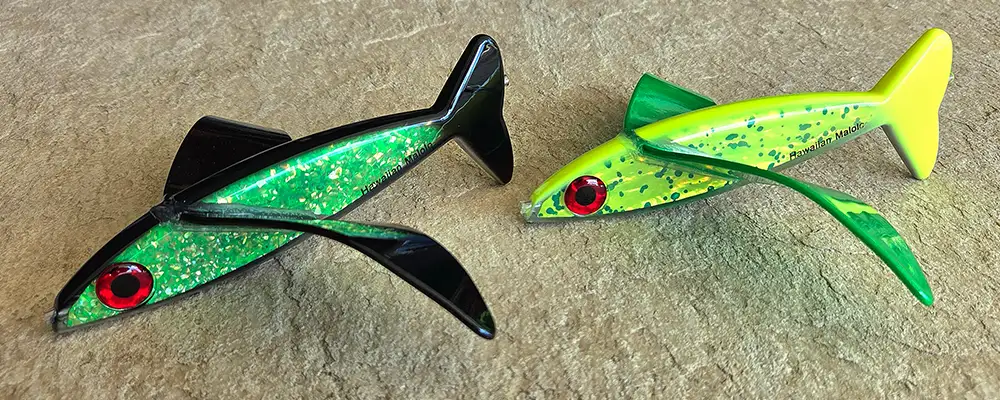
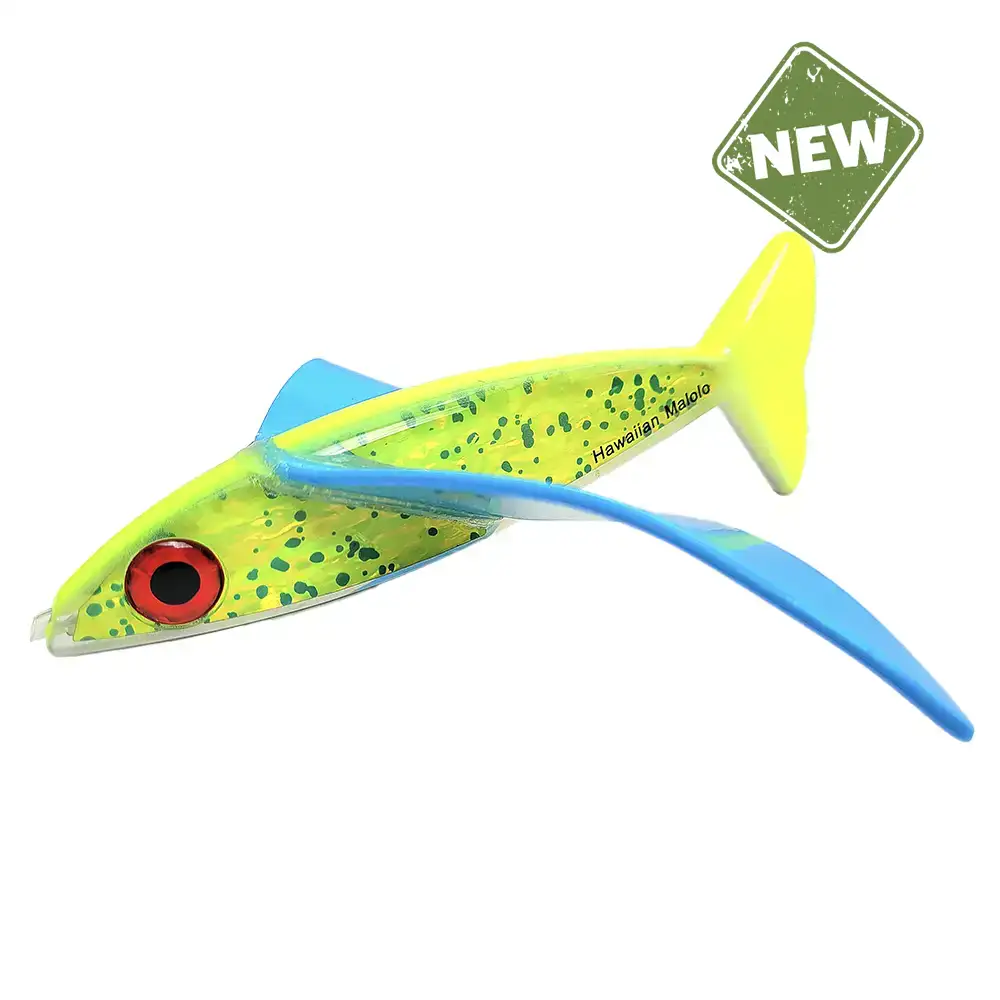
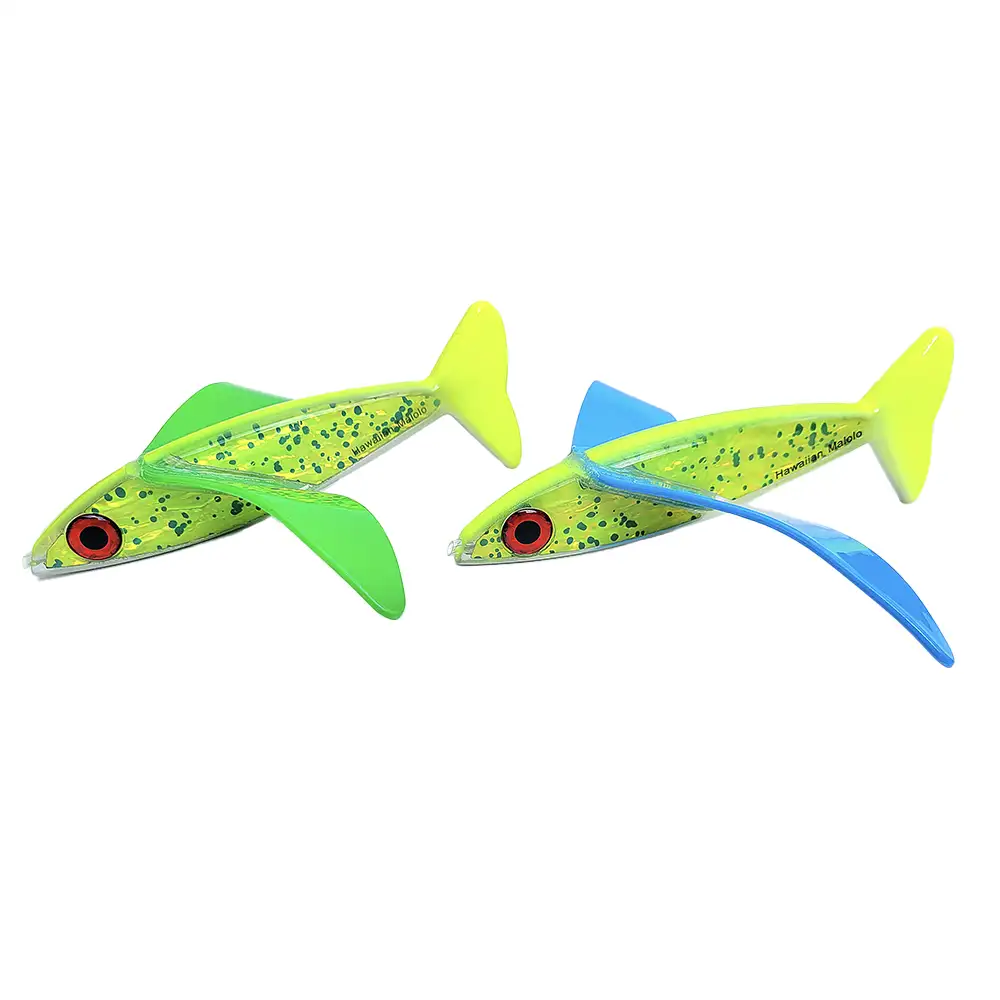
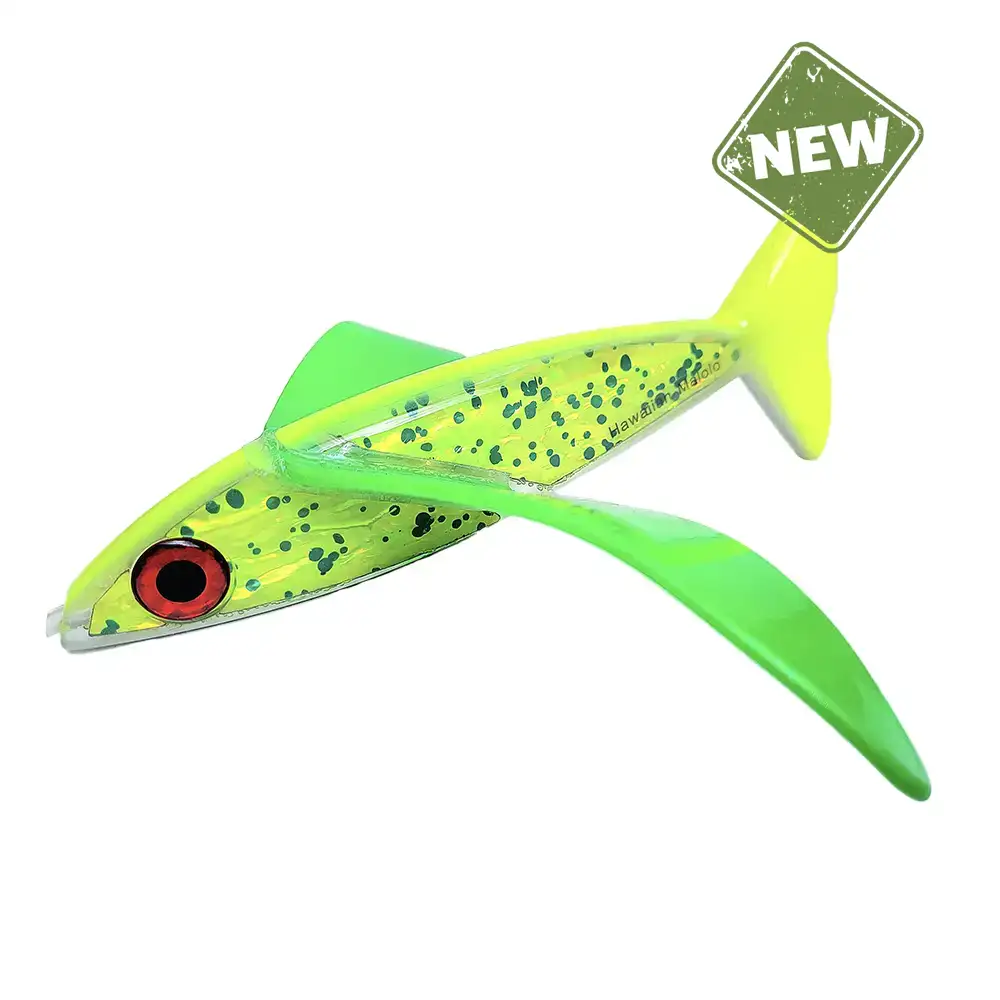
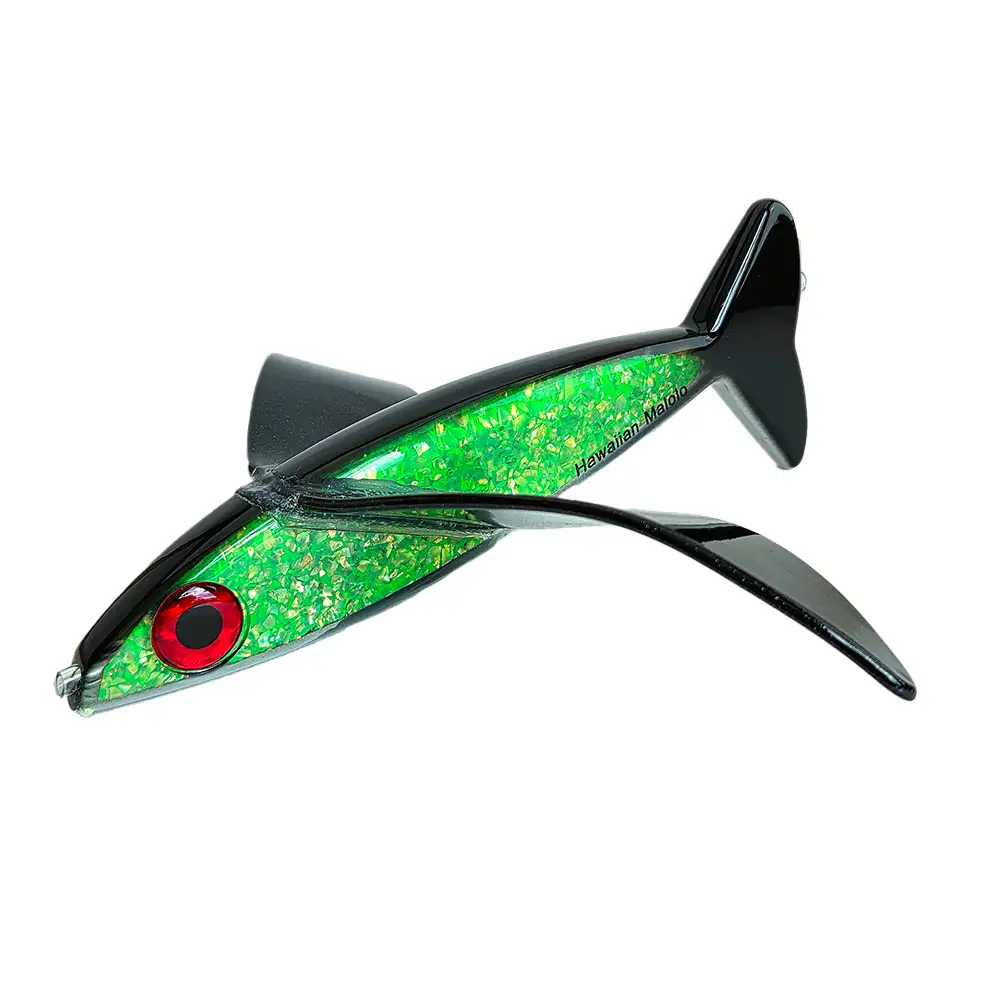
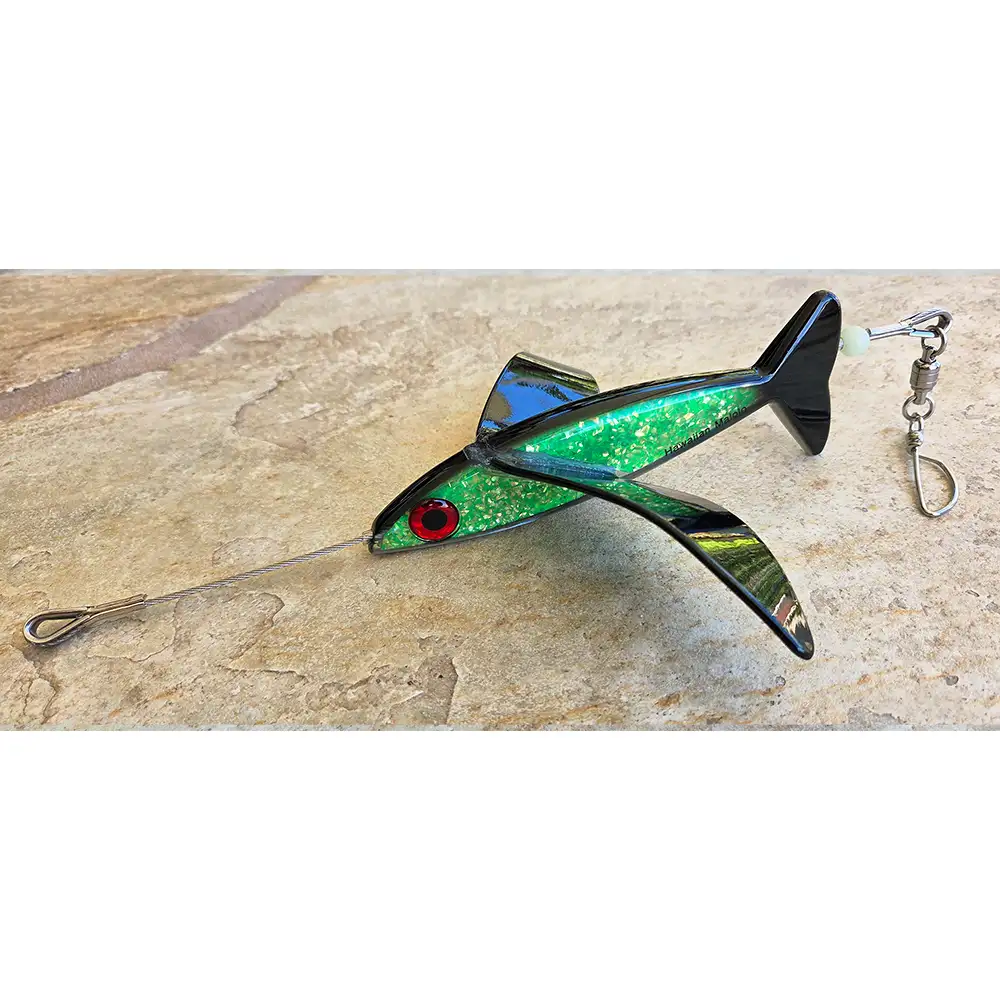
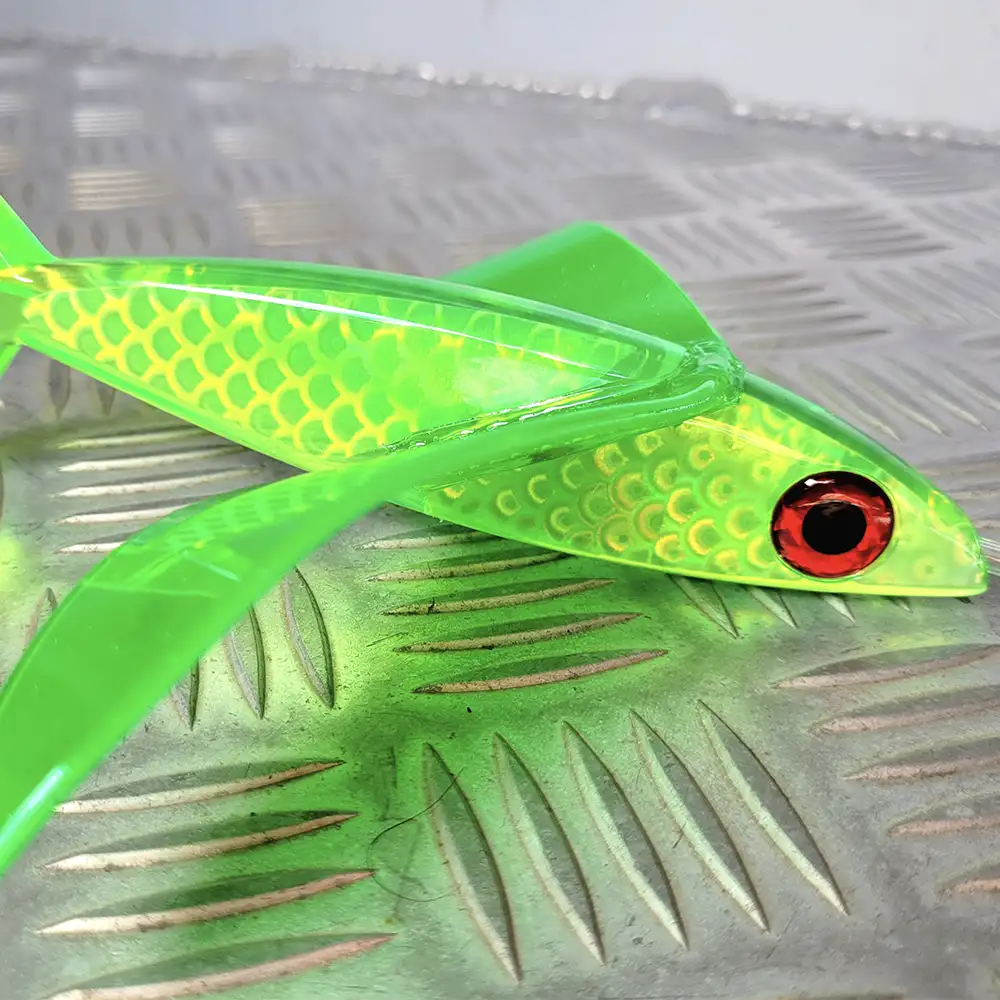
Hawaiian Malolo green teaser combinations are handcrafted to mimic the commotion and fleeing action of flying fish on the surface. Designed to run on their tails with wings spread wide, these teasers create surface disturbance and visual attraction intended to draw fish upward into the spread.
When you see an “Out of Stock’ badge on any of our Malolo birds, don’t worry. We’re making more, and they’ll be back available ASAP!
Each offers its own unique balance of flash, contrast, and underwater presence while maintaining the same proven Hawaiian Malolo action.
Species Commonly Targeted with Green Patterns
Green presentations have become popular choices for anglers targeting:
Yellowfin Tuna
Bluefin Tuna
Mahi Mahi (Dorado)
Wahoo
Blue Marlin
Sailfish
Where to Run Green Patterns
Green can be particularly effective:
Around weed lines and floating debris
In bright, sunny conditions
When fish are actively feeding on bait schools
In clear blue-water environments
When targeting mahi mahi and other visually aggressive species
Many offshore anglers also favor green because it bridges the gap between highly natural and highly visible presentations, making it versatile enough to remain in the spread all day.